United Nations Logo, blue UN imagery and U.N. written in bold black next to it.

Comprehensive planning and performance Assessment system (cPAS)

CPAS IMPACT
OVERVIEW

Comprehensive Planning and Performance Assessment System

The Comprehensive Planning and Performance Assessment System (CPAS) is the first tool to link peacekeeping planning, data, results and reporting, ensuring operations are informed by evidence-based assessments of impact.

Understanding CPAS

CPAS is a platform-backed process to support missions in developing plans with civilian, military, and police staff for delivering their mandate and assessing impact over time using data and analysis. CPAS helps missions assess their performance and make recommendations to decision-makers and mission leadership on how to enhance the effectiveness of UN peacekeeping operations, to better achieve peace and security objectives. It also supports more evidence-based reporting and communications to Member States, donors and other partners. In short, it is helping missions to both strengthen and show their impact.

Learn more by enrolling in the CPAS e-learning course. Developed as part of broader efforts to strengthen and support the implementation of CPAS across all missions, the training is tailored to civilian, military and police personnel.

E-learning Click on the button to enroll in e-learning

UN Peacekeeping missions are one of the world's most effective tools in helping countries navigate the difficult path from conflict to peace. The Department of Peace Operations leads 11 missions, comprising nearly 80,000 uniformed and civilian personnel.

80K
Uniformed and civilian personnel across 11 active missions

As part of the Action for Peacekeeping initiative launched by the UN Secretary-General in 2018 to strengthen operations, it is critical to improve how peacekeeping missions assess and show their impact on the ground. This is especially necessary as they navigate complex and changing political and security landscapes. Better understanding a mission's contribution to change and evaluating performance is a priority for UN Peacekeeping.

CPAS is the first tool to link peacekeeping planning, data, results and reporting, ensuring operations are informed by evidence-based assessments of impact. Now operational in all missions, CPAS is enabling peacekeeping operations to take informed evidence-based decisions so that missions can more effectively implement mandates.
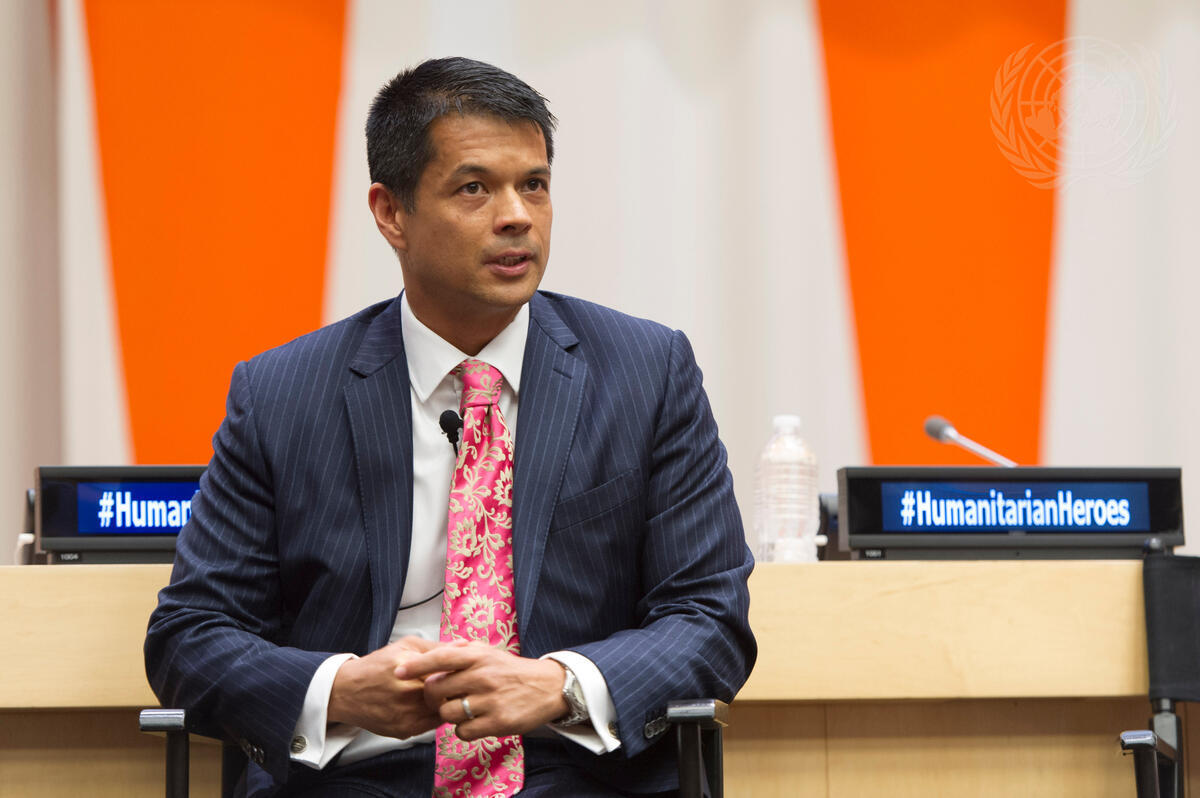
+ Bintou Keita
MONUSCO

“CPAS helps us monitor how alerts from community networks are being addressed on the ground. It tracks human rights abuses and violations in the areas where we operate. All of this supports our protection work. So CPAS is becoming part of how we plan, how we report, and how we improve as a mission.”

Bintou Keita
Former SRSG MONUSCO
(2021-2025)
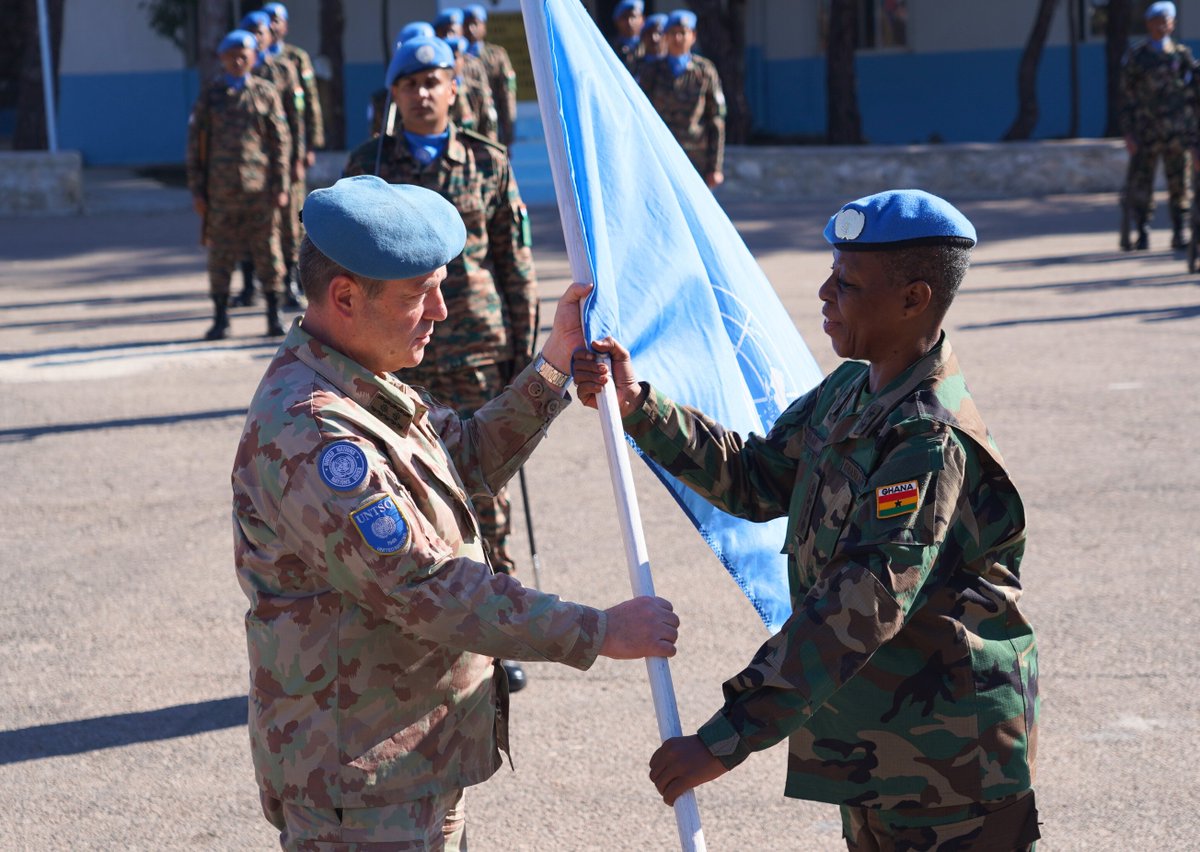
+ Major General Anita Asmah
UNDOF

“For UNDOF, CPAS has been helpful in planning, prioritizing our strategic goals, and assessing our impact in an ever-changing mission environment.”

Major General Anita Asmah
UNDOF Head of Mission and Force Commander
(2025-Present)
+ Kenneth Payumo
MINURSO

“When you are sitting around a table and you talk about what you do, the impact of what you do, and how things are evolving and how [you] maybe [could] make things better, it is good for the mission. It is good for the UN. And this is what CPAS has been able to do.”

Kenneth Payumo
Former MINURSO Chief of Staff
(2023-2025)
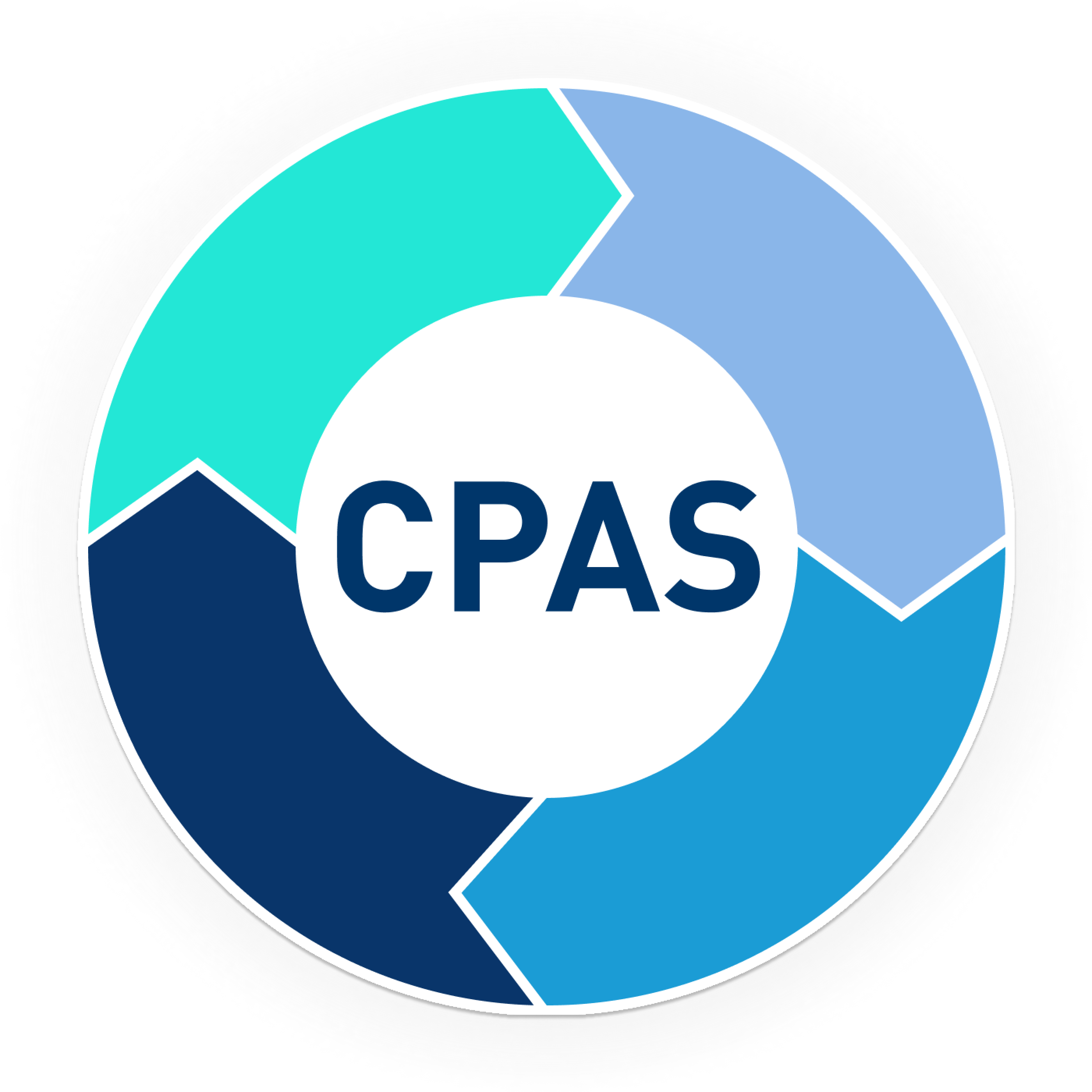
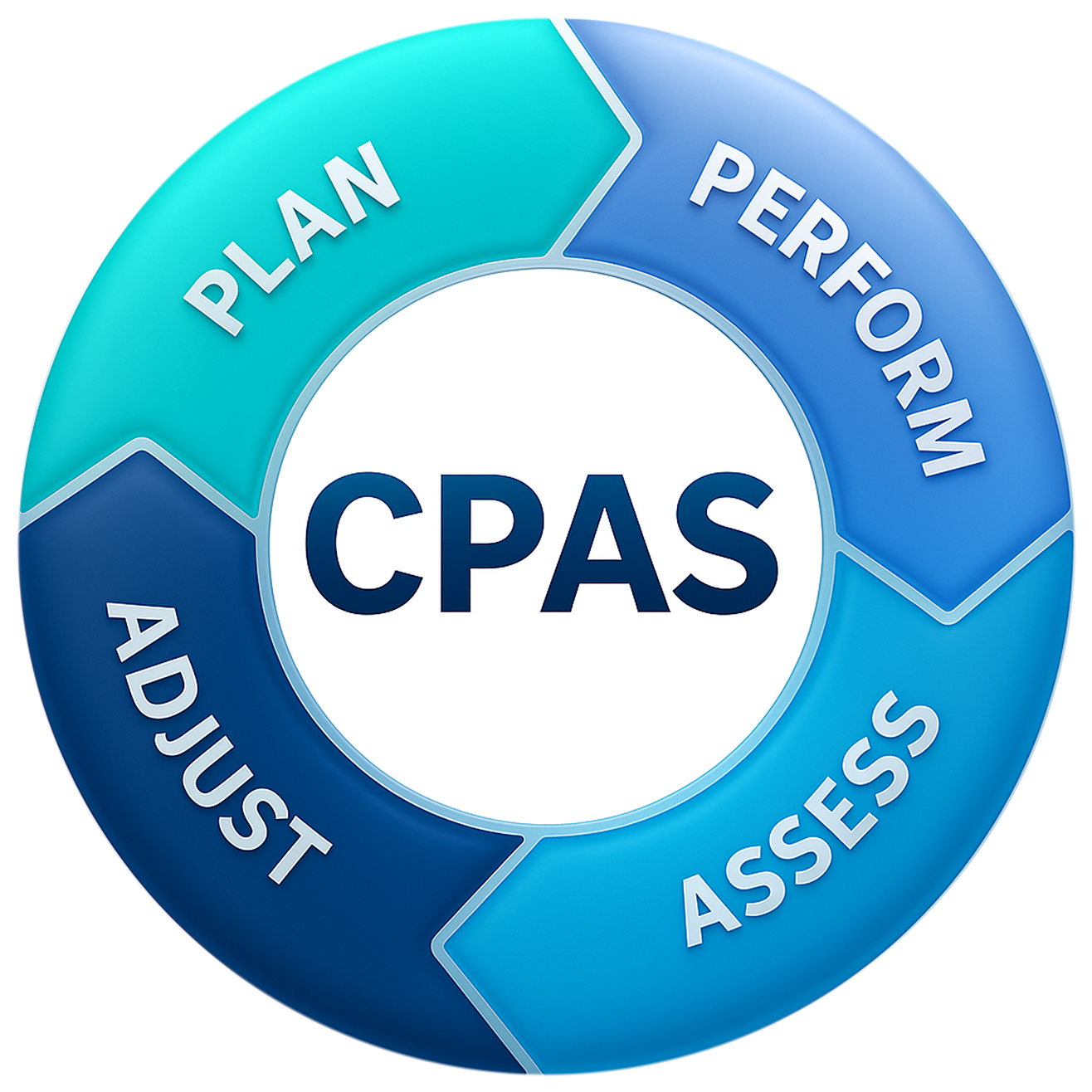
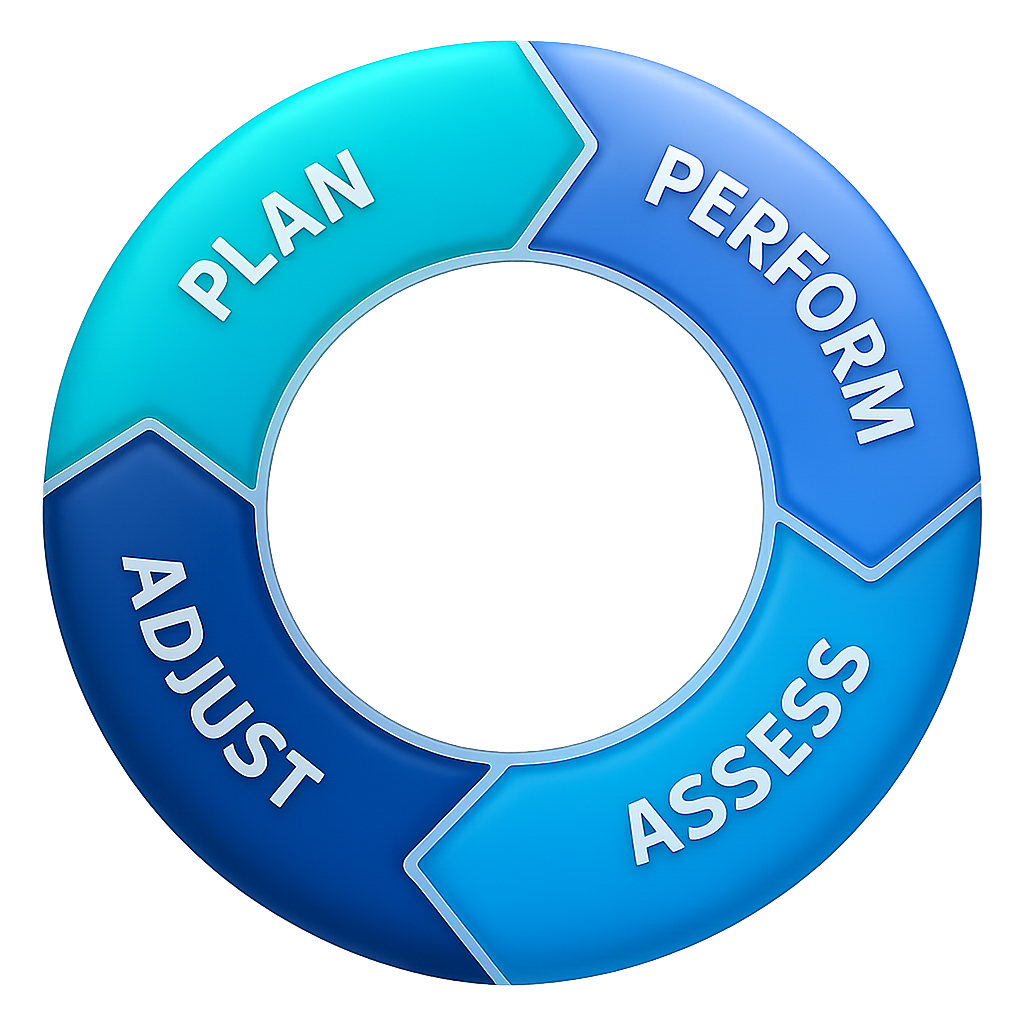
The CPAS Cycle
An iterative cycle of planning, implementation, assessment and adjustment.
CPAS cycle Plan Perform Assess Adjust
CPAS
CPAS Performance Overview
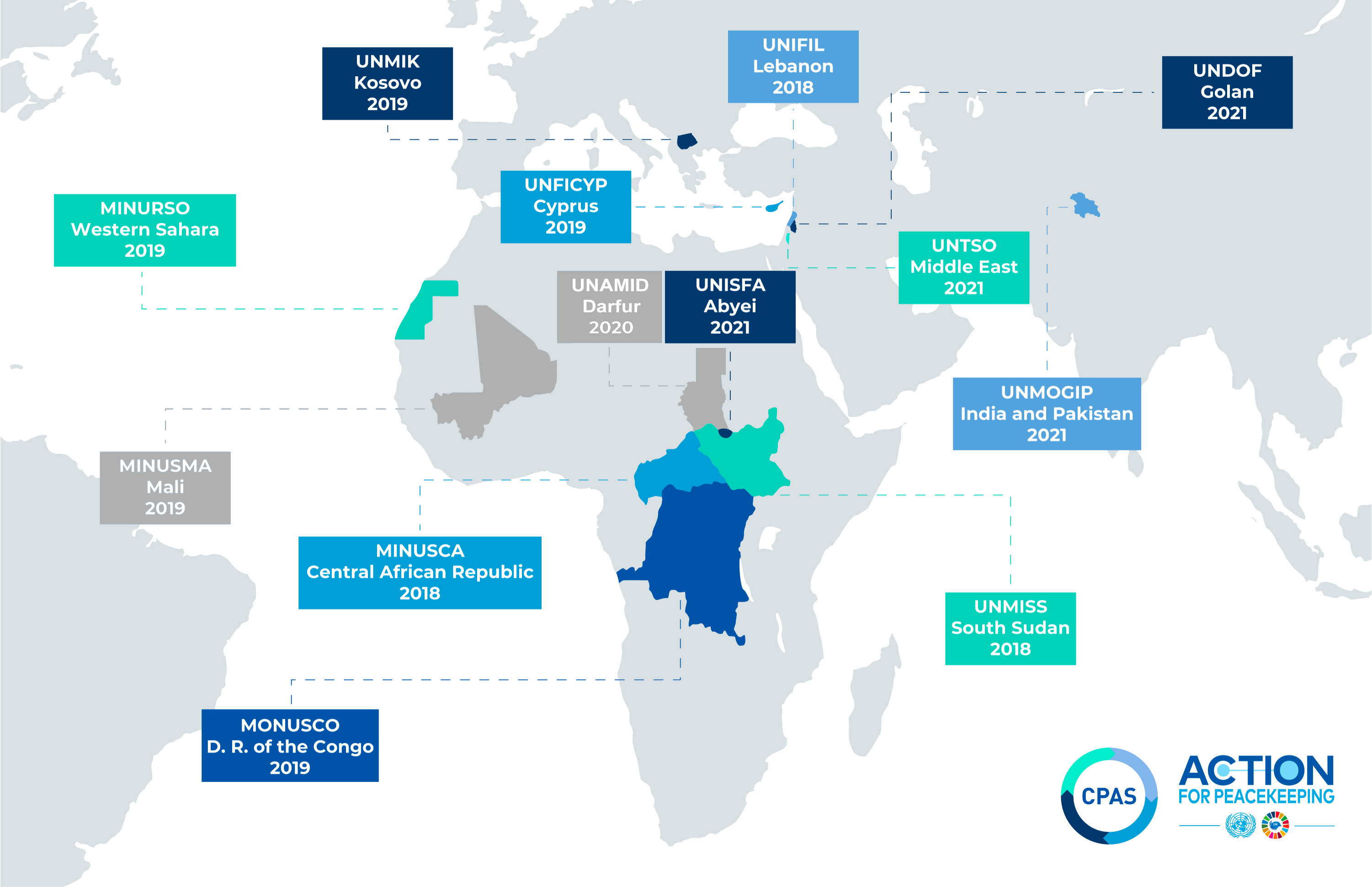
CPAS Timeline Map
These are the active peacekeeping missions currently using CPAS to regularly and systematically assess collective mission performance and support evidence-based planning, reporting and decision-making.
  • UNISFA — United Nations Interim Security Force for Abyei
  • MONUSCO — United Nations Organization Stabilization Mission in the Democratic Republic of the Congo
  • MINUSCA — United Nations Multidimensional Integrated Stabilization Mission in the Central African Republic
  • UNMISS — United Nations Mission in South Sudan
  • UNIFIL — United Nations Interim Force in Lebanon
  • MINURSO — United Nations Mission for the Referendum in Western Sahara
  • UNDOF — United Nations Disengagement Observer Force
  • UNFICYP — United Nations Peacekeeping Force in Cyprus
  • UNMIK — United Nations Interim Administration Mission in Kosovo
  • UNMOGIP — United Nations Military Observer Group in India and Pakistan
  • UNTSO — United Nations Truce Supervision Organization in the Middle East
  • MINUSMA — United Nations Multidimensional Integrated Stabilization Mission in Mali (ended 2023)
What is an impact assessment?
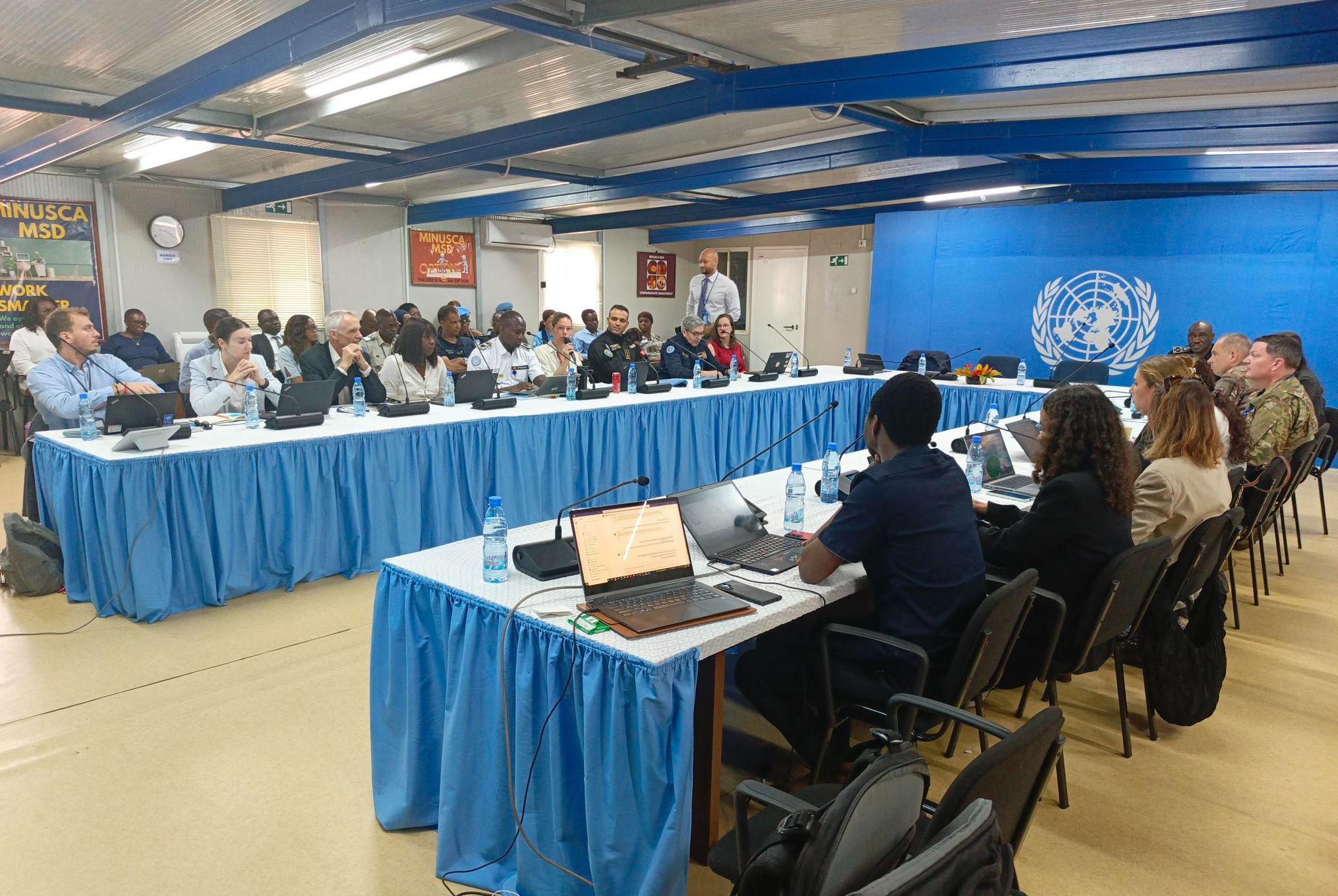
The Impact Assessment (IA) is a whole-of-mission exercise and internal review that provides an opportunity for a mission to assess its collective progress against mandated tasks based on data collected over a certain time period. It typically results in recommendations on how to improve operations and, as such, supports evidence-based decision-making and feeds back into the planning phase of the CPAS cycle.
Number of Participants
20-60 people
Frequency
3-12 months
Impact Assessment photos
Click to see photos from impact assessments
Interdisciplinary participation
It is critical that staff from all mission components, uniformed and civilian personnel, contribute to the analysis during impact assessments. Active participation from colleagues with different professional backgrounds and perspectives avoids blind spots, resulting in frank and useful discussions. It ensures a truly integrated approach to analyzing the operating environment and helps to better understand where and why the mission makes progress. The Impact Assessment provides staff working towards the same strategic objectives a unique opportunity to discuss challenges, opportunities and areas for improved collaboration.
The visual materials below highlight CPAS contributions to interdisciplinary trainings that bring together personnel from different mission components and areas of work.
CPAS Police Workshop in Berlin
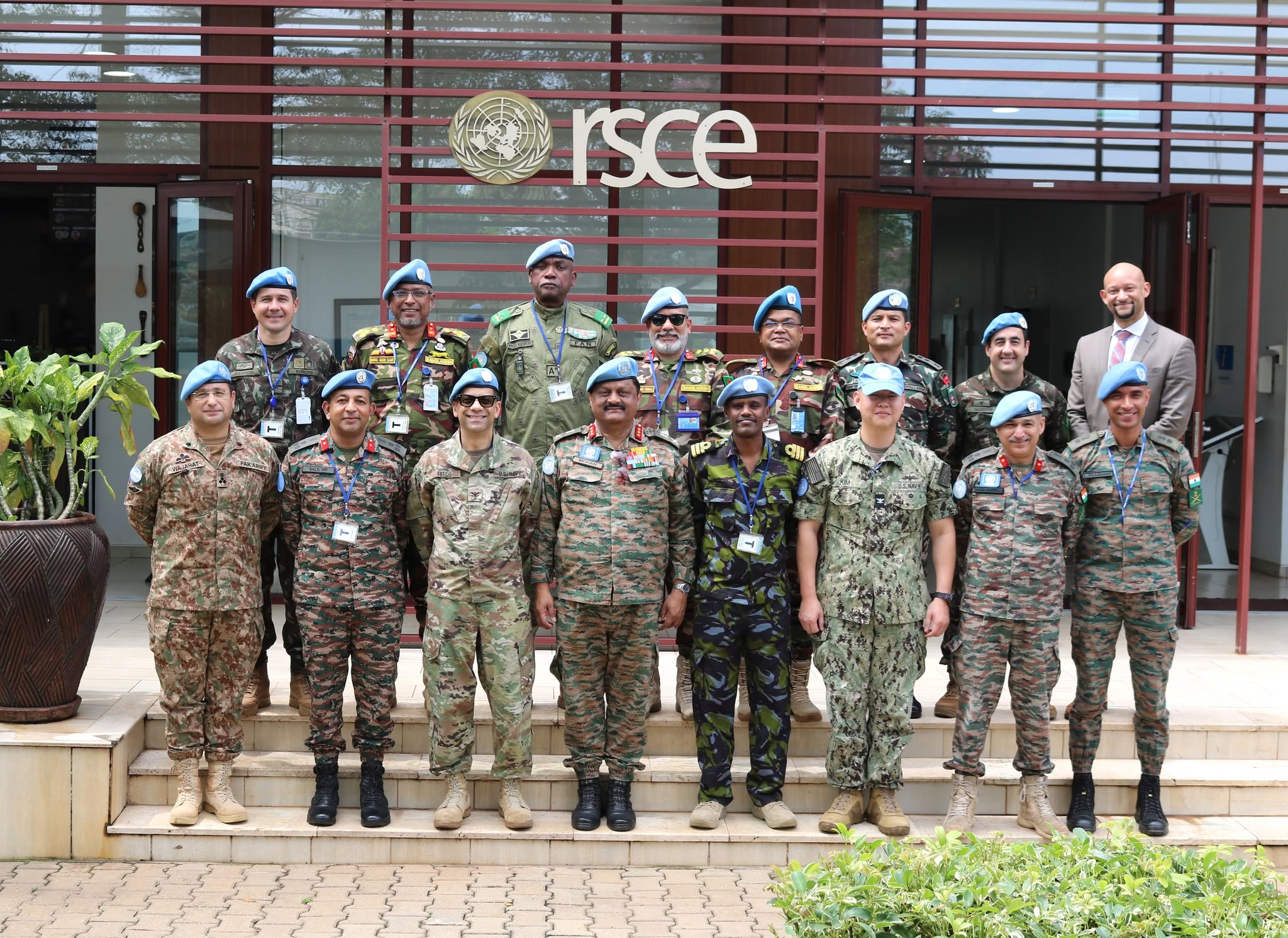
15th UN Sector Commander and Force Chief of Staff Course, RSCE, Entebbe
The 15th United Nations Sector Commander and Force Chief of Staff Course, RSCE, Entebbe
What is a factsheet?
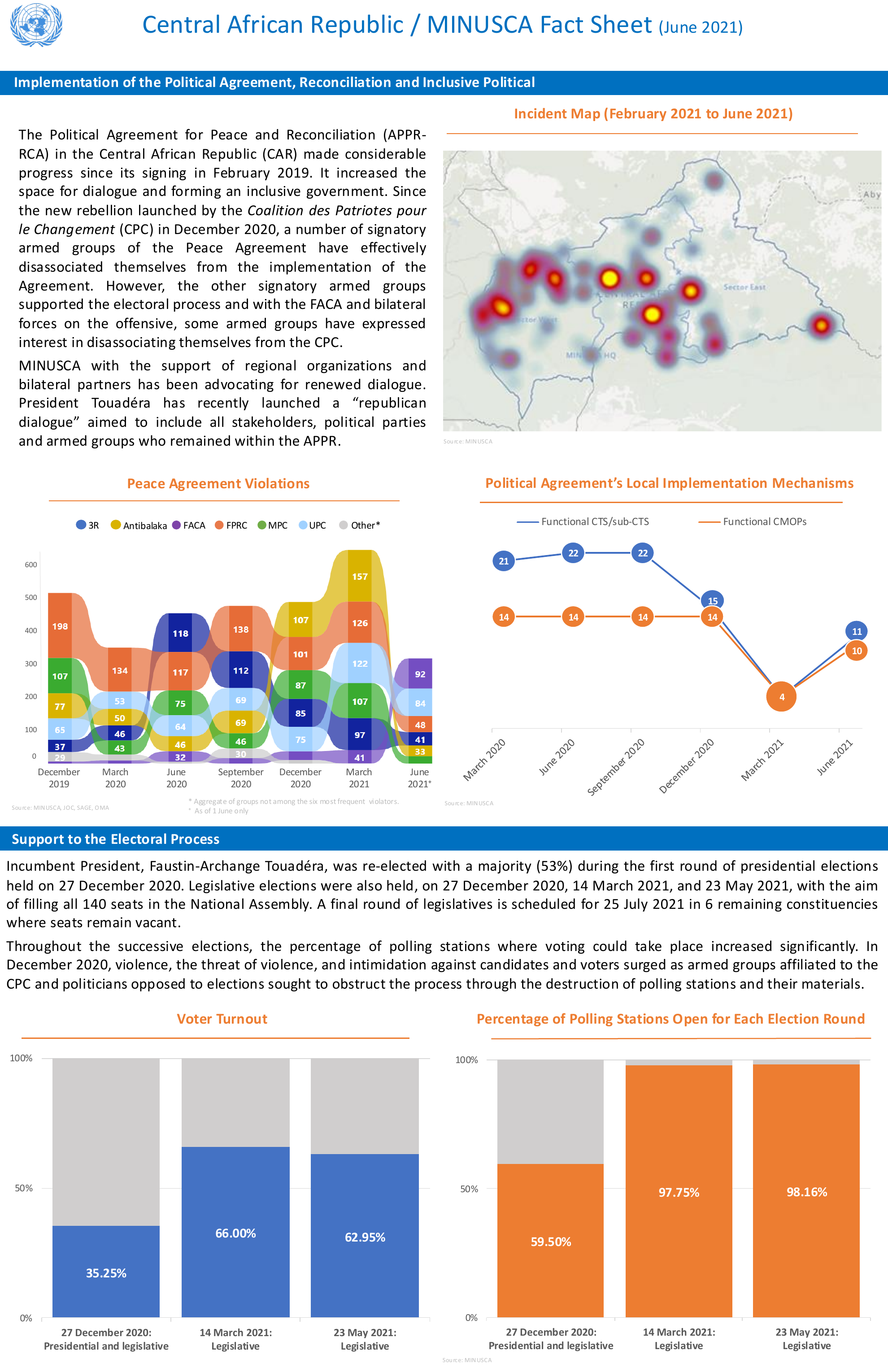
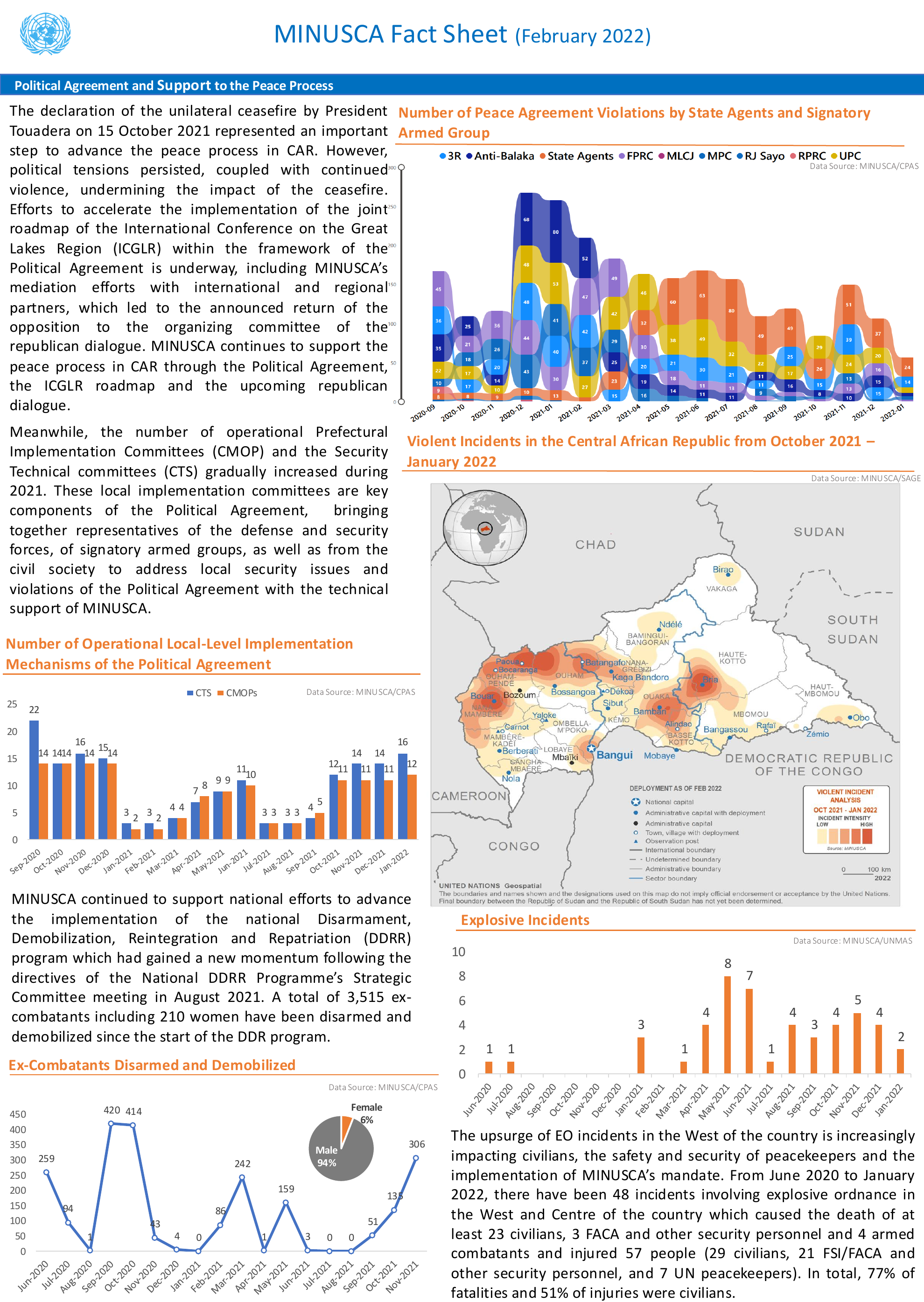
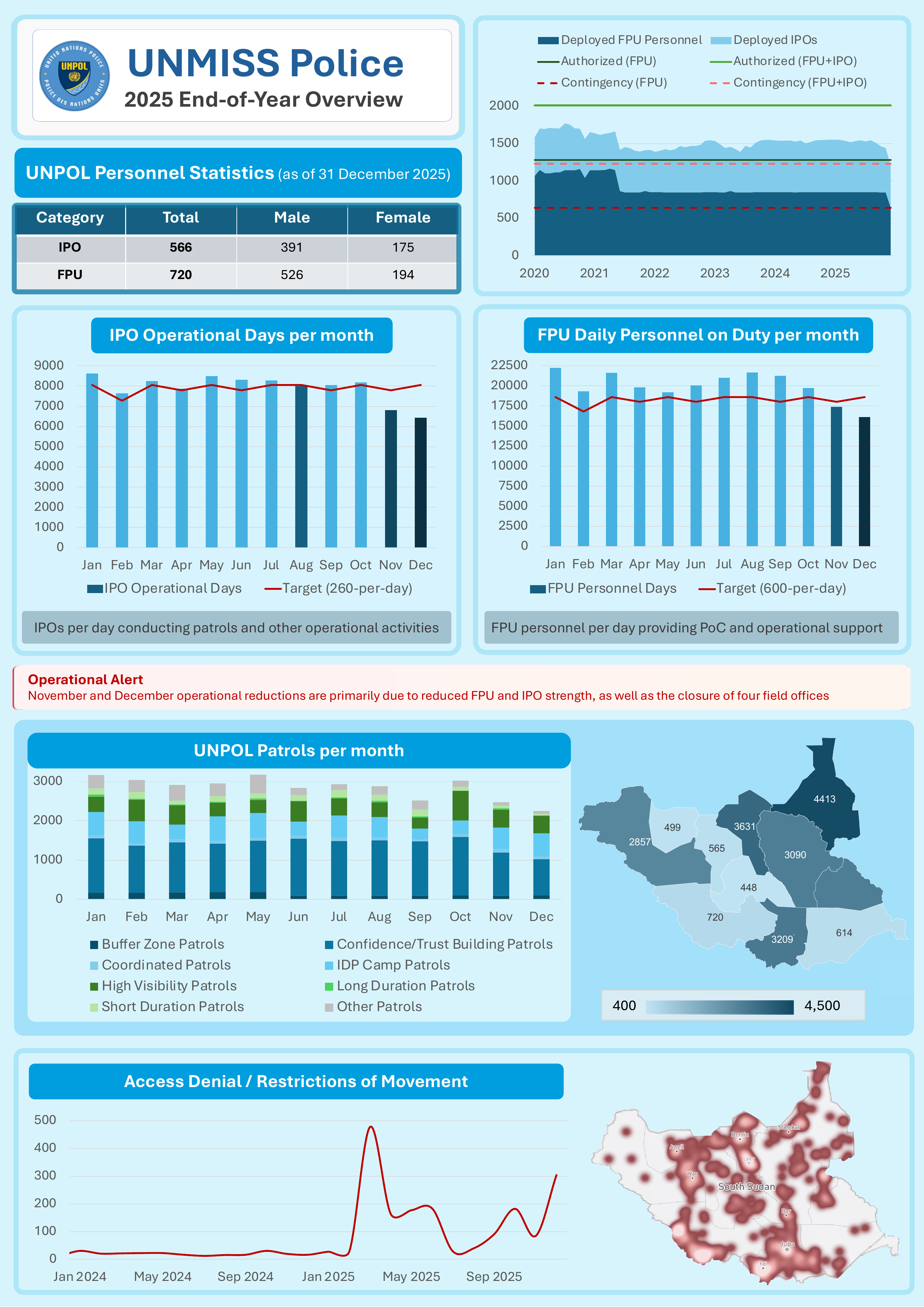
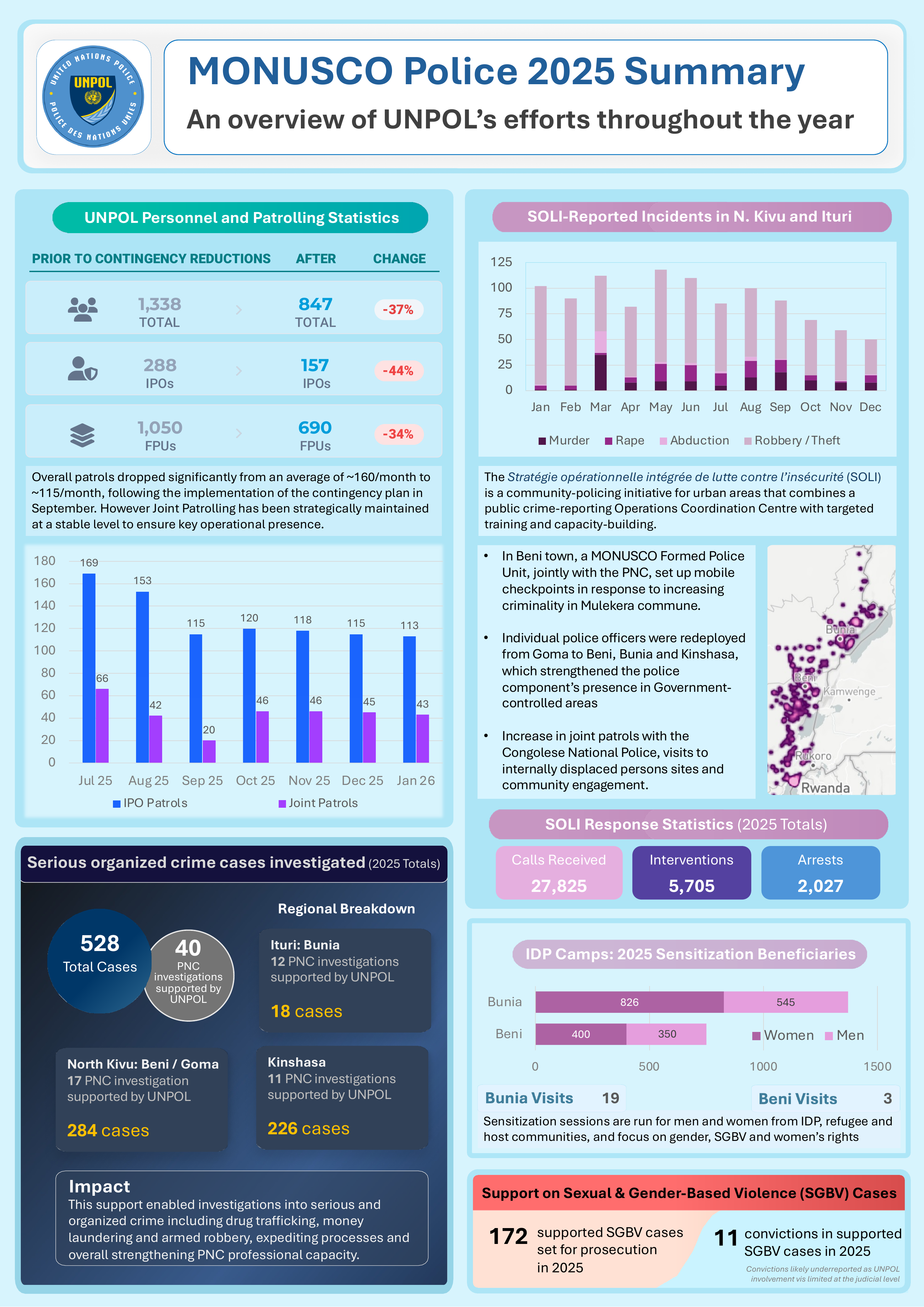
CPAS factsheets are visually driven summaries of mission performance data prepared for high-level UN audiences, including Security Council members and Member States. Factsheets are produced in both physical and virtual formats. Physical factsheets present indicator data through concise narratives, charts and maps, while virtual versions often include additional infographics, imagery and interactive information.
Examples of physical factsheets
MINUSCA Factsheet 2021 p1

MINUSCA 2021

Download PDF
MINUSCA Factsheet 2022 p1

MINUSCA 2022

Download PDF
UNIFIL Factsheet June 2025 p1

UNIFIL 2025

Download PDF
UNMISS Police 2025 p1

UNMISS 2025

UNPOL-specific factsheet

Download PDF
MONUSCO Police 2025 p1

MONUSCO 2025

UNPOL-specific factsheet

Download PDF
Examples of virtual factsheets

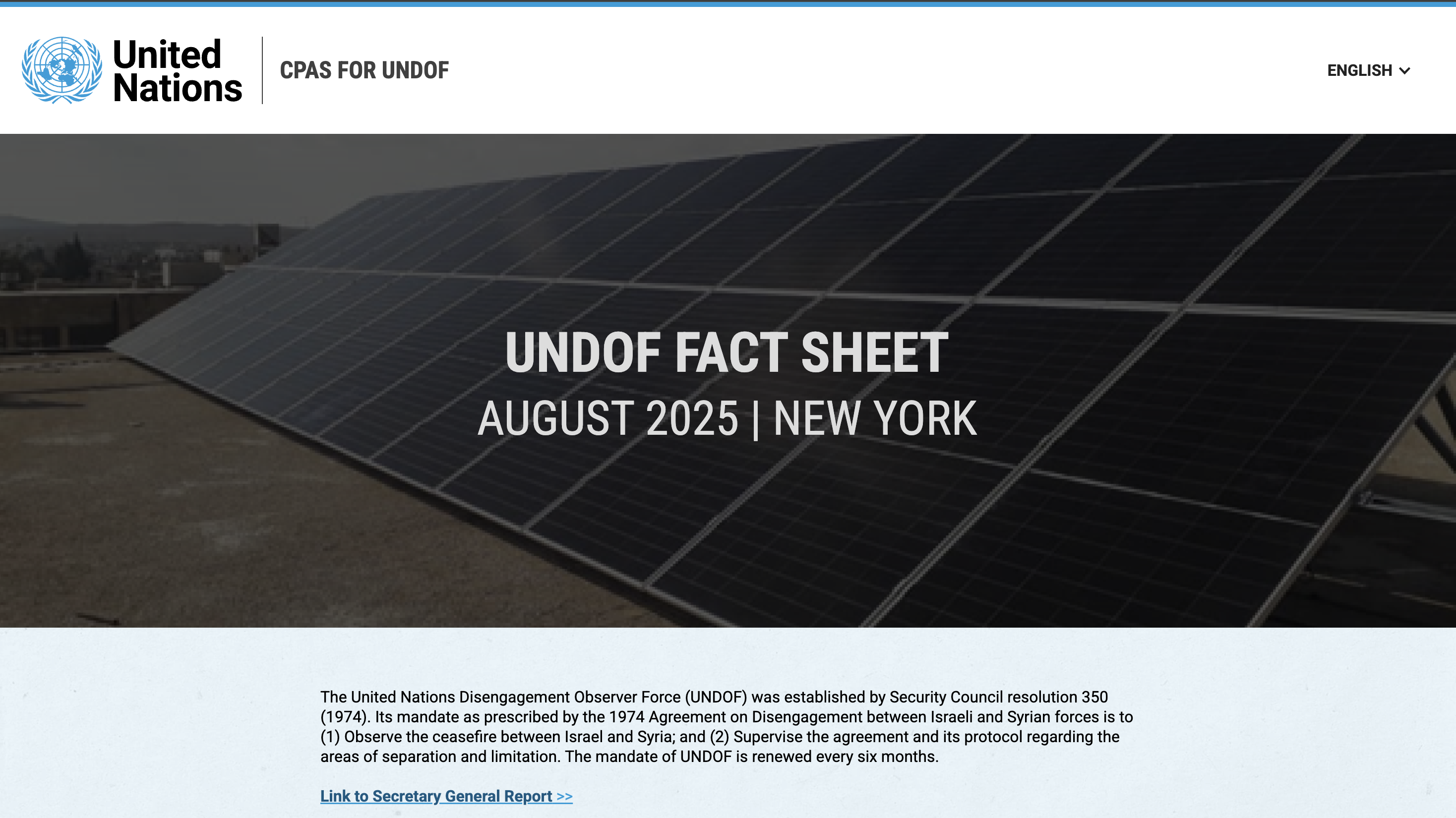
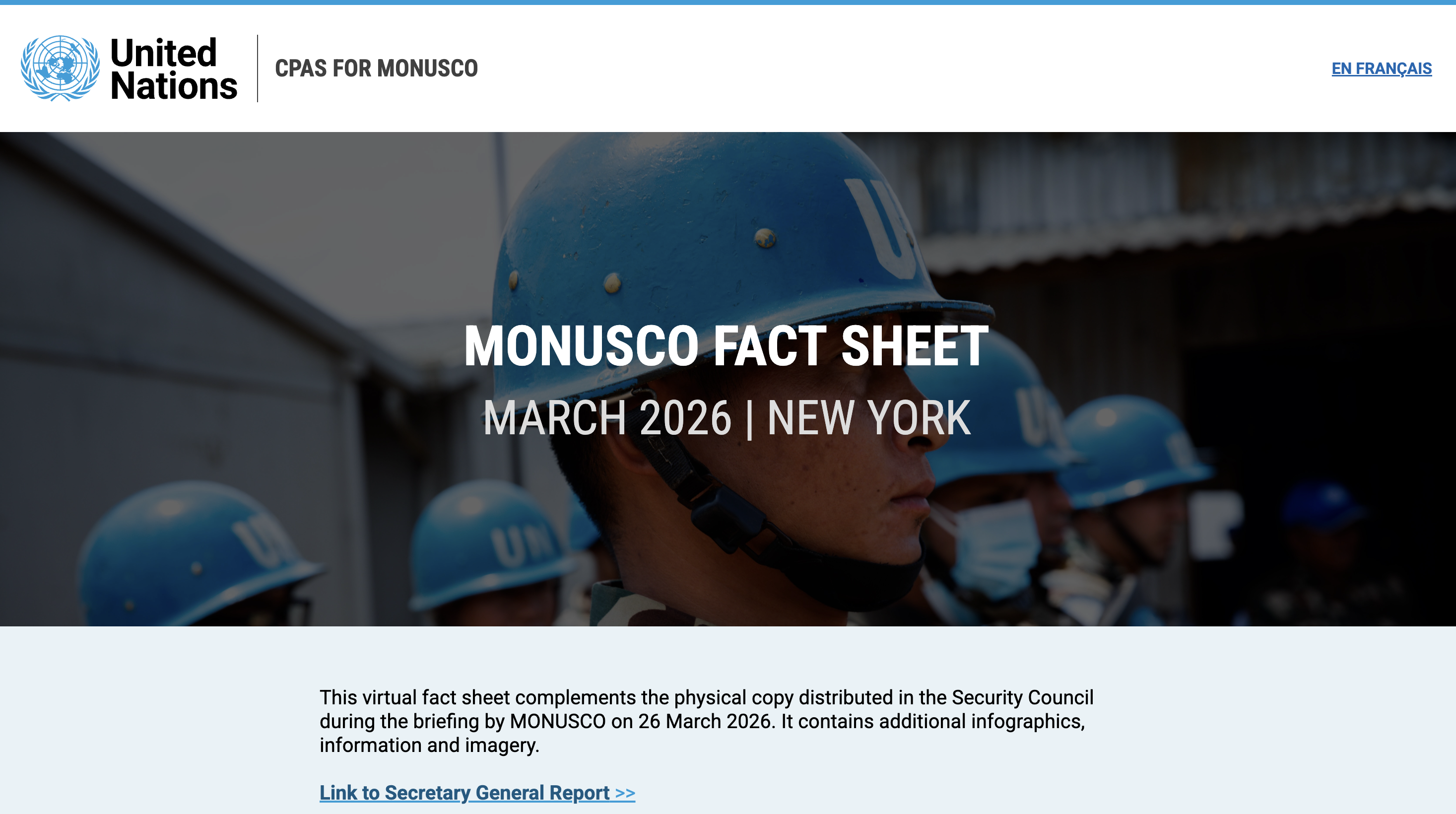
Due to the sensitivity of the data, full virtual factsheets are unavailable to the public. The screenshots below are provided for illustration purposes.

Virtual Factsheet 1
Virtual Factsheet 2
Virtual Factsheet 3
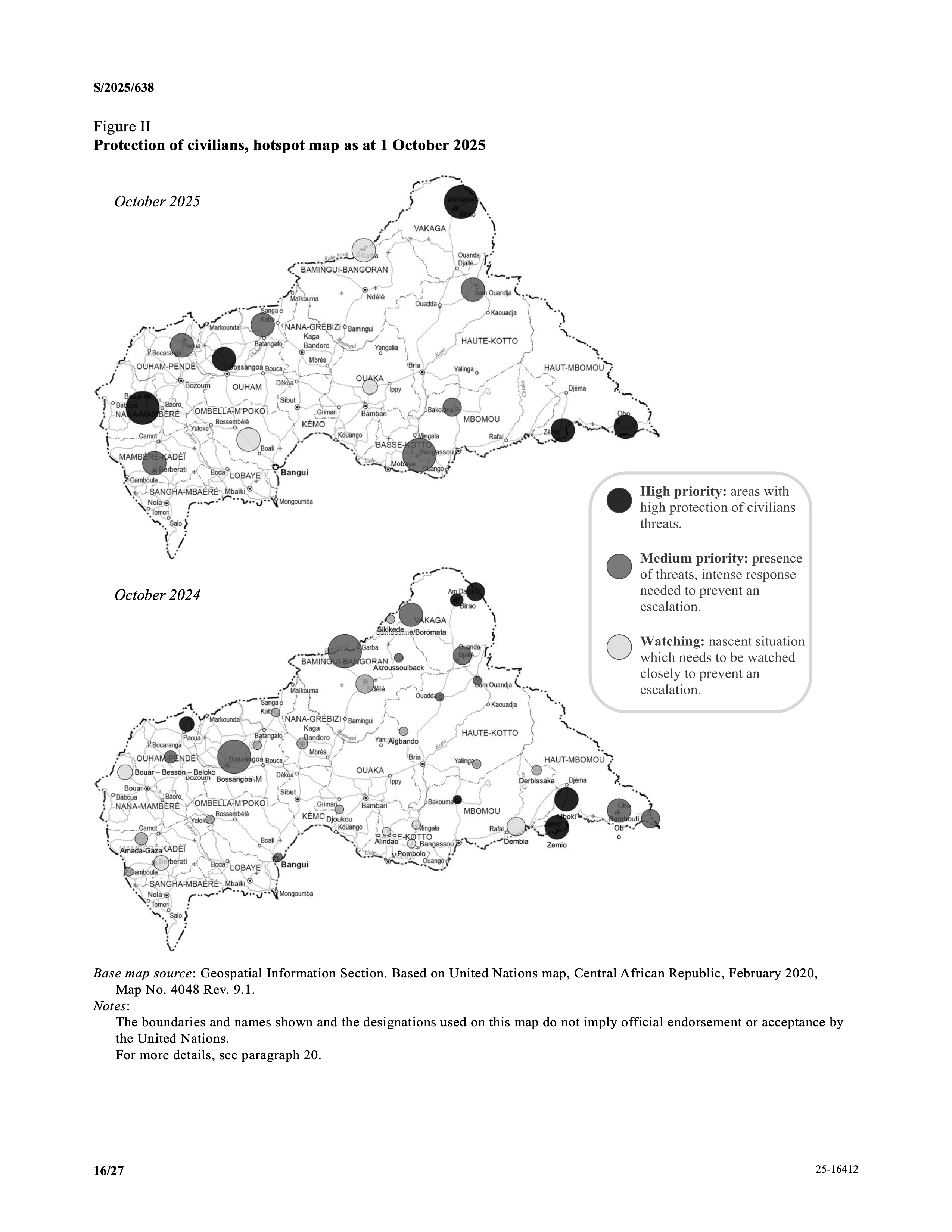
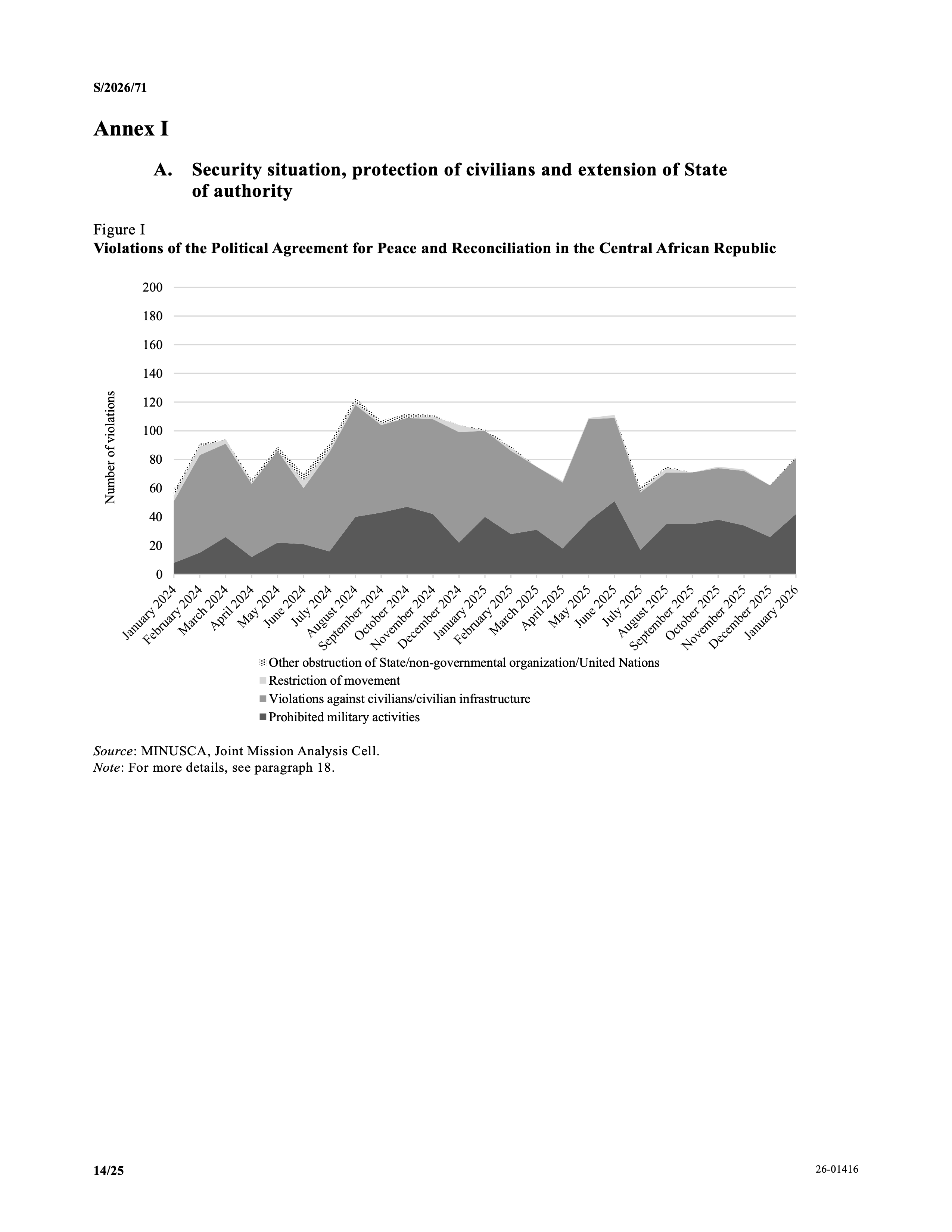
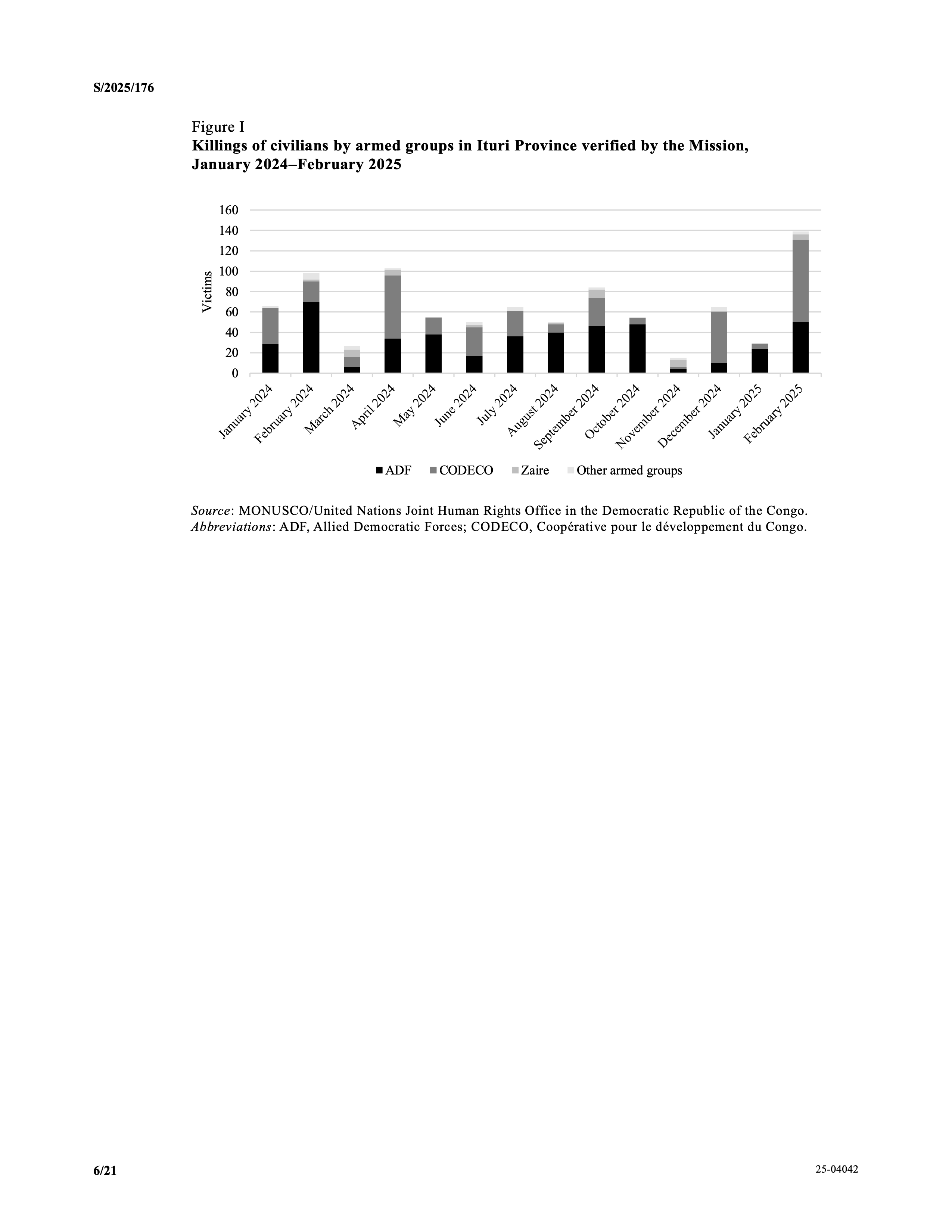
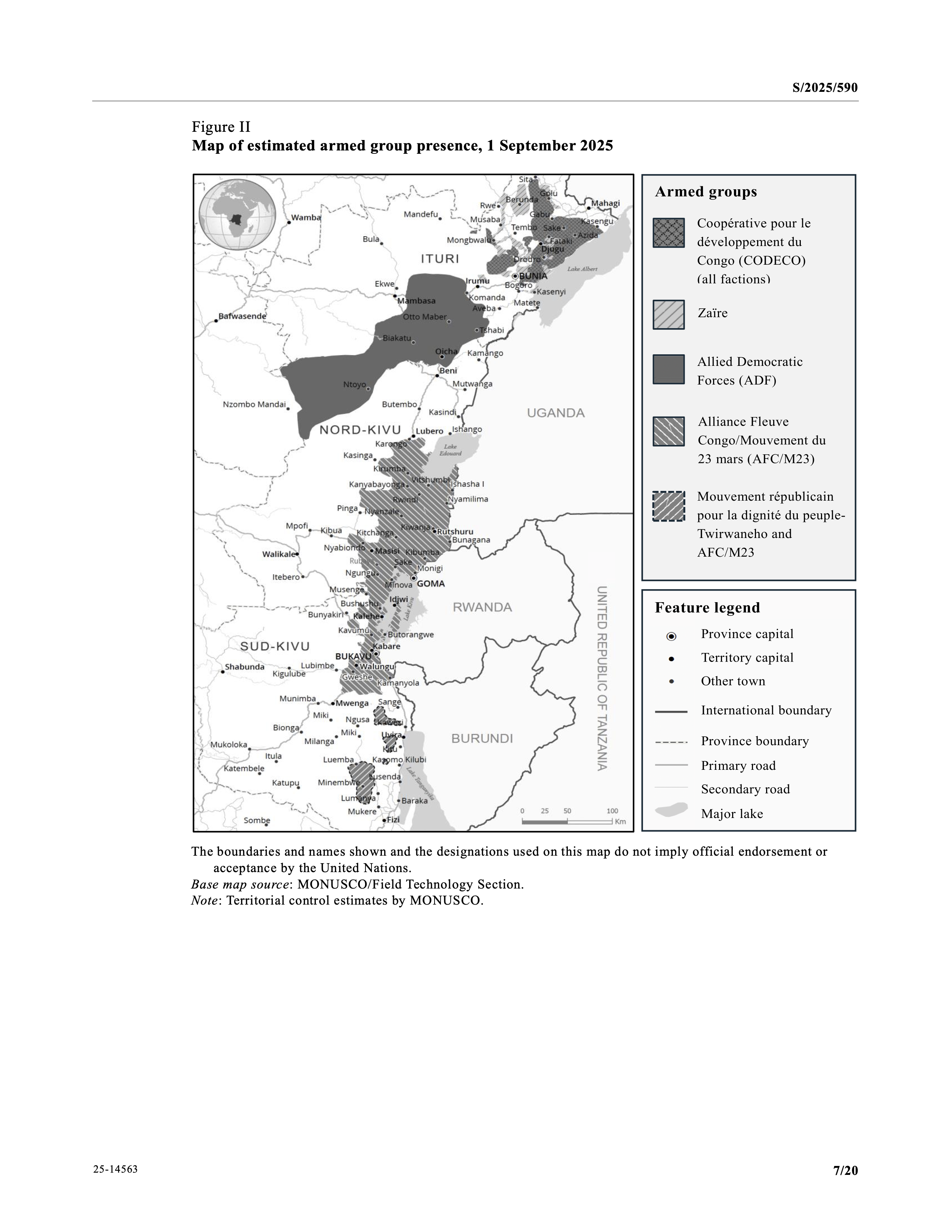
CPAS data visuals included in SG reports help communicate mission trends, operational developments and performance insights in a clear and accessible format. These visuals support evidence-based reporting by translating complex mission data into charts, maps and graphics that can be easily understood by Member States and other high-level audiences.
Examples of CPAS visuals in SG reports
MINUSCA SG Report October 2025

MINUSCA — October 2025

Full SG Report
MINUSCA SG Report February 2026

MINUSCA — February 2026

Full SG Report
MONUSCO SG Report March 2025

MONUSCO — March 2025

Full SG Report
MONUSCO SG Report September 2025

MONUSCO — September 2025

Full SG Report
UN Mission Collection Data Growth
WHAT ARE CPAS INDICATORS?
A quantitative or qualitative measure that helps demonstrate the extent to which a strategic impact, stakeholder outcome or output has been achieved. Indicators help missions:
  • Define how the mission's intervention is going to be assessed.
  • Assess the impact of their work.
  • Track developments in the context and show mission contribution over time.
INDICATORS BY THEIR THEMATIC SECTION
663
total indicators
Click any mission to highlight
How CPAS Strengthens Integration and Decision Making
Select a role to see how CPAS supports it.
CPAS and UN 2.0

UN 2.0 is the Secretary-General's vision for a modernized UN system, powered by cutting-edge skills and a forward-looking culture.

A Modernized UN System

This transformation is guided by the UN 2.0 Action Plan, which sets a joint pathway for strengthening new capabilities across the UN system.

Where CPAS Contributes

Within the broader UN transformation, CPAS contributes directly to strengthening the UN’s capabilities in data, digital expertise and innovation across peacekeeping operations and Headquarters (HQ).

  • Missions and HQ use CPAS data to identify effective strategies and enhance their impact. Through Impact Assessments, mission components analyze collected CPAS data to monitor trends, evaluate impact, capture best practices and support more informed planning and decision-making.
  • CPAS also produces clear, user-friendly mission factsheets, both digital and printable, to inform Security Council briefings.
  • The CPAS platform centralizes peacekeeping data within a single system and can integrate with other internal UN systems as well as external databases, enhancing coordination, interoperability and access to information.
  • CPAS strengthens digital and data skills across the UN through a range of in-person and virtual training activities, with over 1,000 personnel trained to date.
  • CPAS also offers a dedicated E-learning course tailored for civilian, military and police personnel.
  • CPAS develops bespoke products in response to mission requests, using data-driven solutions such as analytical dashboards and mapping tools. By bringing together and simplifying complex information, these tools not only address operational needs but also strengthen situational awareness, support the identification of risks and trends and enable more timely and informed decision-making to enhance performance and improve outcomes on the ground.
CPAS Donors: Supporting Mission Planning and Performance Since 2018
CPAS gratefully acknowledges the support from the following generous donors.

Current Donors

Financial Contributors

Finland flag
Finland
Germany flag
Germany
Netherlands flag
The Netherlands
Norway flag
Norway
Republic of Korea flag
Republic of Korea
Sweden flag
Sweden
Switzerland flag
Switzerland

Personnel and Professional Officers

Gratis Personnel

Brazil flag
Brazil
Switzerland flag
Switzerland

Junior Professional Officers (JPOs)

France flag
France

Former Donors

Past Financial Contributors

Australia flag
Australia
Canada flag
Canada
France flag
France
Japan flag
Japan
United Kingdom flag
United Kingdom

Former Personnel and Professional Officers

Former Gratis Personnel

Brazil flag
Brazil
Switzerland flag
Switzerland

Former Junior Professional Officers (JPOs)

Germany flag
Germany
Netherlands flag
The Netherlands
Additional Resources
Contact Us
Have questions about CPAS? Get in touch with our team.
[email protected]
CPAS Logo
©2026 by CPAS